test
Rachel Rosovsky, MD, MPH
[text here]
Bethany Samuelson Bannow, MD, MCR
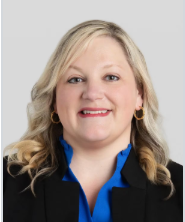
Dr. Bethany Samuelson Bannow is Director of Classical Hematology at Cleveland Clinic Foundation. Her NIH- and foundation-funded research focuses on bleeding disorders in patients who menstruate or may become pregnant, with particular emphasis on heavy menstrual bleeding and the diagnosis and management of bleeding disorders during pregnancy.
Dr. Samuelson Bannow serves as a member of the FWGBD Medical Advisory Committee (MAC) and the co-chair of the Thrombosis Subcommittee of the WGBD® Learning Action Network (LAN).
Jennifer Davila, MD
[text here]
Ann M. Bruno, MD, MS
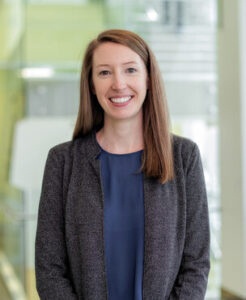
Dr. Ann Bruno is an Assistant Professor in the Division of Maternal-Fetal Medicine within the Department of Obstetrics and Gynecology at University of Utah Health. She specializes in the management of high-risk pregnancies. Dr. Bruno earned her medical degree from the University of Illinois-Chicago and completed her residency in obstetrics and gynecology at Washington University in St. Louis. She completed a fellowship in maternal-fetal medicine and a Master of Science in Clinical Investigation at the University of Utah. As a clinician-scientist, Dr. Bruno’s research and clinical care focuses on those at risk for obstetric thromboembolism, with particular emphasis on postpartum venous thromboembolism prevention.
Workshop A: Advanced Practice Care Models
Meredith Gustafson, MSN, CNP
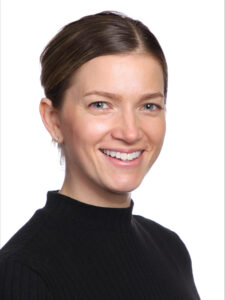
Meredith Gustafson is Senior Manager of Nurse Practitioner and a clinical nurse practitioner in classical hematology at Brigham and Women’s Hospital in Boston, Massachusetts. Her clinical focus is on iron deficiency anemia, platelet disorders, and hypercoagulable states. Meredith earned her BSN from Northeastern University in 2015 and began her career as a critical care nurse in medical and surgical specialties. She earned her MSN as an adult-gerontology acute care nurse practitioner from Vanderbilt University in 2020 and subsequently obtained board certification as nurse executive. She began her advanced practice nursing career at the University of Illinois at Chicago as a Transplant ICU NP and lead advanced practice provider. She is passionate about quality improvement efforts to optimize both patient outcomes and system workflows.
Workshop B: Sickle Cell Disease and Thrombosis
Cheryl Mensah, MD
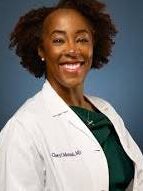
Dr. Cheryl Mensah is a hematologist specializing in the treatment of hemoglobinopathies (inherited, genetic blood disorders), such as thalassemia, as well as a range of anemias and other hematologic conditions.
She previously served as the Director of Northwell Health’s Sickle Cell Program and currently serves as Medical Director of the Thalassemia Program at Yale Cancer Center. Her clinical and research focuses on advancing the understanding and treatment of hemoglobin disorders and improving care for individuals living with these conditions.
Dr. Mensah earned her medical degree from Wayne State University and completed her residency and hematology-oncology fellowship training at Northwell Health. She is the co-chair of the Education and Advocacy Subcommittee of the WGSCD™ Learning Action Network (LAN).
Workshop C: Polyendocrine Metabolic Ovarian Syndrome (PMOS)
Melanie Cree, MD, PhD
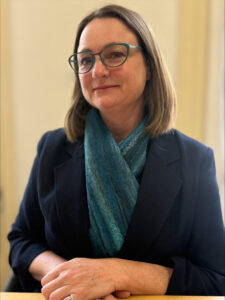
Dr. Melanie Cree is a physician-scientist, pediatric endocrinologist, and professor at the University of Colorado Anschutz and Children’s Hospital Colorado. Her clinical and research work focuses on understanding and treating cardiometabolic disease in adolescents, particularly those with polyendocrine metabolic syndrome (PMOS), formerly known as PCOS. Dr. Cree directs the multidisciplinary PMOS Clinic at Children’s Hospital Colorado and leads a 19-site adolescent PMOS research network. She is also conducting an NIH-funded clinical trial evaluating a GLP1RA as treatment for PMOS and is working with the CDC to develop female testosterone assay norms. Dr. Cree is a former chair of the Pediatric Endocrine Society’s PCOS Special Interest Group and currently serves on the Board of Directors for the Androgen-Excess PCOS Society.
Workshop D: Cultural Conversations Regarding Menstruation and Heavy Menstrual Bleeding
Amanda French, MD
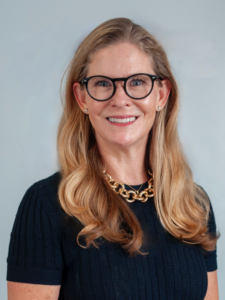
Dr. Amanda French is the first (and only) pediatric and adolescent gynecologist at Massachusetts General Hospital (MGH). She has a particular clinical interest in managing heavy menstrual bleeding and bleeding disorders. After joining MGH in 2023, she helped establish the hospital’s first collaborative clinic with pediatric hematology. Dr. French is an active member of the North American Society of Pediatric and Adolescent Gynecology. She is co-editor of the recently published third edition of SanFilippo’s Textbook of Pediatric and Adolescent Gynecology and serves as an associate editor of the Journal of Pediatric and Adolescent Gynecology.
Dr. French also serves as co-chair of the Education and Advocacy Subcommittee of the WGBD® Learning Action Network (LAN).
Lynda Martinez, RN, MSN, CPON, CNE
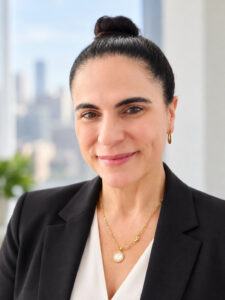
Lynda Martinez, MSN, RN, CPN, CNE, is a registered nurse with more than 35 years of experience in pediatric hematology and oncology. She earned her BSN from New York University in 1990 and her MSN in Nursing Education from St. Joseph’s University in 2018. She has held certification in pediatric oncology nursing since 2003 and has been a Certified Nurse Educator since 2020. In 2018, Lynda joined the Northwell LIJ/CCMC Hemostasis and Thrombosis Center in New Hyde Park, New York, where she cares for children and adults with bleeding disorders. Her professional interests include the care of girls and women with bleeding disorders, menstrual health, and period poverty, and the promotion of culturally responsive communication and care.
Steve Pinder

Steve Pinder is an Oscar-nominated filmmaker who has written, directed, and acted in both screen and stage productions. With Julia Aks, he is the co-writer/director of the 29-time award-winning short film, JANE AUSTEN’S PERIOD DRAMA, which played at more than 60 film festivals worldwide and went on to be nominated in the Best Live Action Short Film category at the 98th Academy Awards. Steve and Julia began collaborating on sketch comedy content in 2019, when they produced and co-directed a parody of Ariana Grande’s “7 RINGS” music video, viewed by millions online. They are currently developing a feature-length version of JANE AUSTEN’S PERIOD DRAMA, along with a number of other irreverent comedies with heart. Steve’s on-screen acting credits include: THE EXORCISM OF ST. PATRICK, MEETING YOU, MEETING ME, I REGRET TO INFORM YOU, and Michelle Khare’s YOUTUBE REWIND: THE MUSICAL. On stage, he has performed with the Actors Theatre of Indiana, Beef and Boards, Circle Theatre, Illinois Theatre Center, and SLATE at GSU, among others. Steve holds a BA in English and a BS in Music from Indiana University, as well as an MFA in film and television production from the University of Southern California. He lives in East LA with his husband, Barrett, and their rambunctious springer spaniel, Charlie.
Patricia Huguelet, MD
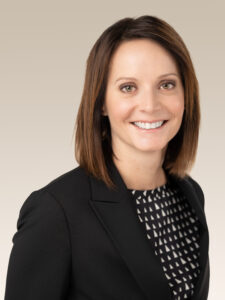
Dr. Patricia Huguelet is a Professor in the Department of Obstetrics and Gynecology at the University of Colorado Anschutz School of Medicine. At Children’s Hospital Colorado, she serves as Chair and Associate Fellowship Director of Pediatric and Adolescent Gynecology. She is also co-medical director of the Spots and Dots Clinic at the Hemophilia and Thrombosis Center. Dr. Huguelet previously served on the Clinical Care and Education and Advocacy subcommittees of the WGBD® Learning Action Network. She is currently president-elect of the North American Society for Pediatric and Adolescent Gynecology. Her clinical and research interests include heavy menstrual bleeding and inherited blood disorders in adolescents and young adults. Dr. Huguelet also serves as co-chair of the FWGBD 2026 Conference Planning Committee.
Andrew O’Brien, MD
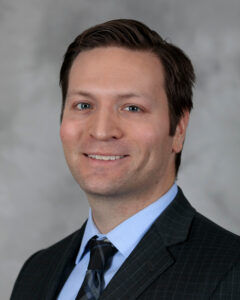
Dr. Andrew O’Brien is an adult hematologist and co-director of the Lifespan Comprehensive Sickle Cell Center at Indiana University. The center’s mission is to revolutionize the way we partner with individuals living with sickle cell disease and to ensure that all people with blood disorders receive equitable, agile healthcare. Dr. O’Brien completed a combined internal medicine and pediatric residency, followed by an adult hematology fellowship at Indiana University. In addition to co-directing the lifespan sickle cell center, he serves as Hematology Service Line Leader for Indiana University Health Medical Group and Program Leader for Classical Hematology in the Division of Hematology/Oncology at the Indiana University School of Medicine.
Dr. O’Brien serves as the co-chair of the Program and Clinical Care Subcommittee of the WGSCD™ Learning Action Network (LAN).
Nathan T. Connell, MD, MPH
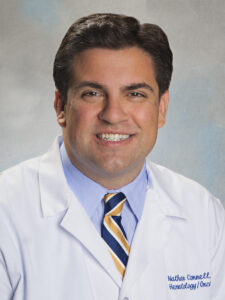
Dr. Nathan Connell is an Associate Professor of Medicine at Harvard Medical School, Associate Director of the Boston Bleeding Disorders Center, and Vice Chair of Medicine at Mass General Brigham. He is an academic hematologist with expertise in inherited bleeding disorders, von Willebrand disease, hemostatic and antithrombotic stewardship, global health equity, and systems-based hematology. His scholarship and leadership focus on translating subspecialty expertise into scalable models of care across health systems.
Jennifer E. Dietrich, MD, MSc, FACOG, FAAP
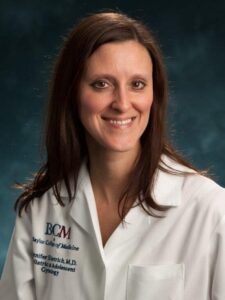
Dr. Jennifer Dietrich is a tenured professor in the Department of OB/GYN and Department of Pediatrics at Baylor College of Medicine. She serves as Division Director and Fellowship Director of Pediatric and Adolescent Gynecology and has been Chief of Pediatric and Adolescent Gynecology at Texas Children’s Hospital since 2007. In 2021, she served as Medical Staff President of Texas Children’s Hospital. From 2009-2026, Dr. Dietrich served as co-director of the Young Women’s Bleeding Disorder Clinic at Texas Children’s Hospital. She has also served on numerous committees within the Department of OB/GYN, Department of Surgery, Baylor College of Medicine, and Texas Children’s Hospital. She has trained 26 fellows and authored more than 140 manuscripts and 25 book chapters. She has also served as editor of two medical textbooks. Internationally recognized in her field, she is frequently invited to speak on congenital anomalies of the reproductive tract, bleeding disorders, ovarian cysts and masses, and ovarian torsion in children and adolescents.
Dr. Dietrich is a member of the FWGBD Medical Advisory Committee (MAC).
Maureen K. Baldwin, MD, MPH
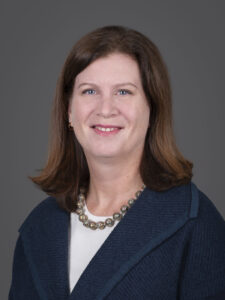
Dr. Maureen Baldwin is an Associate Professor of Obstetrics and Gynecology at Oregon Health and Science University (OHSU) in Portland, Oregon, where she completed her medical training, including a Master’s in Public Health and a fellowship in complex family planning. Dr. Baldwin also holds a practice focus designation in pediatric and adolescent gynecology. She serves as the clinical lead of a WGBD® Clinic of Excellence, called “Spots, Dots, and Clots.” Dr. Baldwin’s research has focused on access to care via telemedicine, pregnancy loss, abortion safety, system approaches to contraceptive access, and teaching with simulation. A former K12 scholar, Dr. Baldwin is now an NIH-funded researcher whose current work focuses on progestin treatments for heavy menstrual bleeding.
Dr. Baldwin is a member of the FWGBD Medical Advisory Committee (MAC) and also serves as co-chair of the WGBD® Learning Action Network (LAN).
Dawn Bauer, DNP, FNP-BC
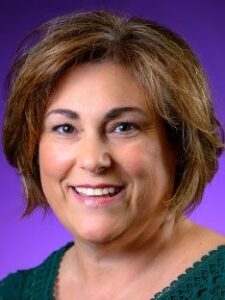
Dawn Bravata-Bauer, DNP, FNP-BC, is a board-certified family nurse practitioner with more than 30 years of nursing experience, including over 25 years of experience as a family nurse practitioner. She currently serves as a Clinical Instructor at Tulane University School of Medicine and as a Women’s Clinic provider at the Louisiana Center for Bleeding and Clotting Disorders (LCBCD). Dawn has extensive clinical experience in primary care and women’s health, with a particular focus on gynecologic and reproductive healthcare. Throughout her career, she has been actively involved in clinical education, precepting and mentoring both medical and nurse practitioner students. She remains committed to patient-centered care, interdisciplinary collaboration, education, and improving access to comprehensive women’s healthcare for women and girls with bleeding and clotting disorders.
Barbara Konkle, MD
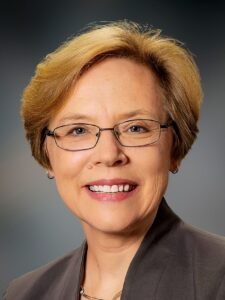
Dr. Barbara Konkle is Professor of Medicine Emeritus in the Division of Hematology Oncology at the University of Washington, an affiliate hematologist at the Washington Center for Bleeding Disorders, and Director of the Bleeding Disorders Laboratory at Bloodworks Northwest in Seattle, WA. Dr. Konkle has long been committed to improving the care of women with bleeding and clotting disorders through research, clinical care, and leadership in national organizations. She is a recipient of the ISTH 2021 Esteemed Career Award and a co-founder of the Foundation for Women and Girls with Blood Disorders (FWGBD). Dr. Konkle serves as co-chair of the FWGBD Board of Directors’ Program Committee, helping to oversee the Foundation’s programmatic efforts, including the planning of the FWGBD 2026 Conference.
Callie Berkowitz, MD
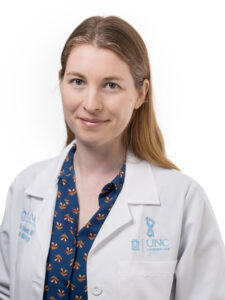
Dr. Callie Berkowitz is an Assistant Professor of Medicine in the Division of Hematology at the University of North Carolina (UNC) Chapel Hill. She completed a clinical hematology fellowship and a T32 postdoctoral fellowship in health services research at UNC. As a hematologist and researcher, she specializes in bleeding disorder evaluation and the care of women with bleeding disorders at the UNC Hemophilia and Thrombosis Center.
Genevieve Moyer, MD, MSc
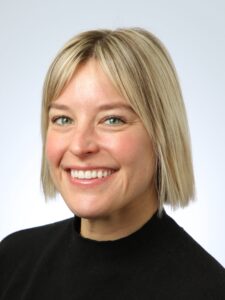
Dr. Genevieve (“Jenna”) Moyer is an adult hematologist specializing in the evaluation and care of patients with bleeding and thrombotic disorders, with a particular focus on women, girls, and individuals who menstruate or have the potential to menstruate. Located in Denver, Colorado, she co-directs the Spots and Dots Clinic with gynecologist, Dr. Patricia Huguelet, where she has developed a special interest in bleeding disorders of unknown cause and joint hypermobility disorders. Dr. Moyer is a member of the WGBD® Learning Action Network (LAN) and the FWGBD 2026 Conference Planning Committee.
Workshop E: Perimenopause and Menopausal Hormone Therapies
Jan Shifren, MD
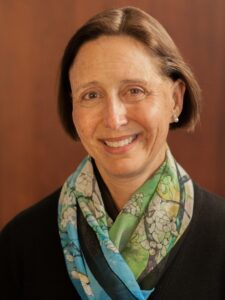
Dr. Jan Shifren is the Vincent Trustees Professor of Obstetrics, Gynecology and Reproductive Biology at Harvard Medical School. She is a reproductive endocrinologist at Massachusetts General Hospital (MGH) and Director of MGH Midlife Women’s Health. Dr. Shifren earned her medical degree from Harvard Medical School and completed her residency in obstetrics and gynecology at Brigham and Women’s and MGH. She then completed a fellowship in reproductive endocrinology and infertility at the University of California, San Francisco.
Dr. Shifren currently divides her time among patient care, teaching, and research. She has served as principal investigator and co-investigator for several important studies related to menopause and has published numerous articles, abstracts, and book chapters. She has delivered national and international presentations on menopausal hormone therapy, androgens for women, female sexual function, and the genitourinary syndrome of menopause. Dr. Shifren is active in numerous professional societies and is a past president of The Menopause Society.
Lisa Baute, MD
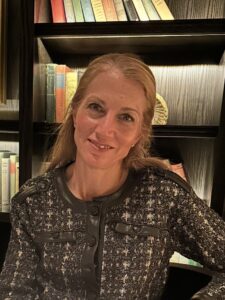
Dr. Lisa Baute is an obstetrician-gynecologist at Massachusetts General Hospital with more than two decades of experience providing comprehensive women’s healthcare. She earned her medical degree from Brown University and completed her residency in obstetrics and gynecology at Thomas Jefferson University Hospital. Dr. Baute specializes in general OB/GYN care, with a particular focus on supporting women through midlife and menopause.
Workshop F: Menstrual Pain in Women with Sickle Cell Disease
Nancy Sokkary, MD
[bio photo here]
Workshop G: Genetics: Decoding Lab Results
Kristin Paulyson-Nunez, MS, CGC

Kristin is a board-certified genetic counselor (CGC) with more than 30 years of experience. She serves as a Senior Genetic Counselor within Duke Women’s & Children’s Services, providing clinical expertise to Duke’s Hemostasis and Thrombosis Center and the Divisions of Maternal-Fetal Medicine, Reproductive Endocrinology/Fertility, Pediatric Hematology/Oncology, and Adult Hematology. Kristin has developed a specialty and passion for hematological conditions, particularly around genetic testing, prenatal diagnosis, fertility, and preimplantation genetic testing as well as perinatal bereavement. She served as a director and president of the American Board of Genetic Counseling (ABGC). Kristin is a member of the FWGBD Board of Directors.
Juliana Perez Botero, MD
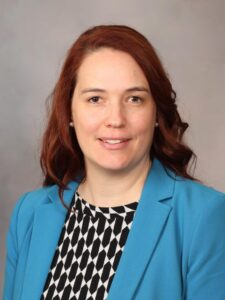
Dr. Juliana Perez Botero is a classical hematologist and Associate Professor of Laboratory Medicine and Pathology at Mayo Clinic in Rochester, Minnesota. She specializes in nonmalignant hematologic disorders, including inherited and acquired bleeding and clotting disorders. Her clinical practice and research focus on optimizing the clinical genetic diagnosis of inherited disorders of hemostasis through integration of phenotype and genotype data.
Workshop H: Top 10 Anticoagulation and Thrombosis Updates
Rachel Rosovsky, MD, MPH
[bio photo here]
Jacquelyn Powers, MD, MS
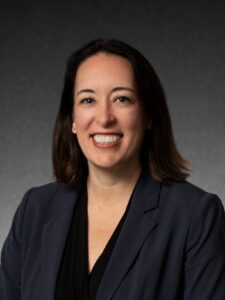
Dr. Jaquelyn “Jackie” Powers is an Associate Professor of Pediatrics in the Division of Hematology/Oncology at Baylor College of Medicine in Houston, Texas. She also serves as Section Chief of Hematology at the Texas Children’s Hematology Center. Dr. Powers is the lead author of the American Academy of Pediatrics’ 2026 clinical report on the prevention, screening, diagnosis, and treatment of iron deficiency and iron deficiency anemia. She is an active member of FWGBD and its WGBD® Learning Action Network (LAN), and contributes to several iron-related initiatives of the American Society of Hematology (ASH).
Peter Kouides, MD

Dr. Peter Kouides is Medical and Research Director of the Mary M. Gooley Hemophilia Center and Clinical Professor of Medicine at the University of Rochester School of Medicine. He served as a member of the 2021 VWD guideline working group of ASH/ISTH/NHF/WFH and is an appointed co-chair of the Geriatric Care Guidelines for PwH Task Force. Dr. Kouides is past president of the Thrombosis and Hemostasis Societies of North America (THSNA), and past president of the Hemostasis and Thrombosis Research Society (HTRS). He is a long-time member of FWGBD’s Medical Advisory Committee (MAC) and WGBD® Learning Action Network (LAN), and received the 2019 FWGBD Ann-Marie Nazzaro Award for advancing the mission and vision of the Foundation.
Ming Lim, MBBCh, MS

Dr. Ming Y. Lim is a Professor of Medicine in the Division of Hematology and Hematologic Malignancies at the University of Utah. She earned her medical degree at Cambridge University, England, and completed her two-year Foundation Training in the United Kingdom. She then completed her residency in internal medicine at Mayo Clinic in Rochester and a fellowship in hematology and oncology at the University of North Carolina at Chapel Hill. Dr. Lim’s clinical interest lies in the field of hemostasis and thrombosis. Her research focuses on complications affecting people with congenital bleeding disorders, specifically persons with hemophilia who have inhibitors and pregnant women with bleeding disorders.
Dr. Lim is Medical Director of the Utah Center for Bleeding & Clotting Disorders at University of Utah Health. Nationally, she serves as Chair of the American Board of Internal Medicine (ABIM) Hematology Longitudinal Knowledge Assessment Approval Committee and Education Officer for the Hemostasis and Thrombosis Research Society (HTRS). She also serves on the National Bleeding Disorders Foundation (NBDF) Medical and Scientific Advisory Council (MASAC), and is an active member of FWGBD and its WGBD® Learning Action Network (LAN).
Sarah H. O’Brien, MD, MSc
Patricia Huguelet, MD
Dr. Patricia Huguelet is a Professor in the Department of Obstetrics and Gynecology at the University of Colorado Anschutz School of Medicine. At Children’s Hospital Colorado, she serves as Chair and Associate Fellowship Director of Pediatric and Adolescent Gynecology. She is also co-medical director of the Spots and Dots Clinic at the Hemophilia and Thrombosis Center. Dr. Huguelet previously served on the Clinical Care and Education and Advocacy subcommittees of the WGBD® Learning Action Network. She is currently president-elect of the North American Society for Pediatric and Adolescent Gynecology. Her clinical and research interests include heavy menstrual bleeding and inherited blood disorders in adolescents and young adults. Dr. Huguelet also serves as co-chair of the FWGBD 2026 Conference Planning Committee.
Rachel Rosovsky, MD, MPH
Jeff Federspiel, MD, PhD

Dr. Jeff Federspiel is an Assistant Professor of Obstetrics and Gynecology in the Division of Maternal-Fetal Medicine at Duke University Medical Center. His clinical and research interests center on the care of pregnant people with hematologic and cardiovascular complications of pregnancy. Dr. Federspiel earned his medical doctorate from the University of North Carolina, completed his residency in obstetrics and gynecology at The Johns Hopkins Hospital, and completed a fellowship in maternal-fetal medicine at Duke.
He is an active member of FWGBD and its WGBD® Learning Action Network (LAN).
Kenneth J. Moise, Jr., MD
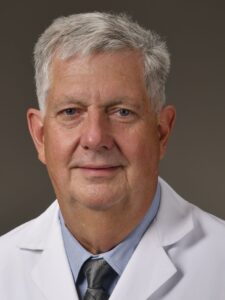
Dr. Kenneth J. Moise, Jr. is Professor of Women’s Health at Dell Medical School. He also recently served as Director of the Comprehensive Fetal Care Center at Dell Children’s Medical Center.
Dr. Moise is the former president of the International Fetal Medicine and Surgery Society and served for many years as the organization’s treasurer/secretary. He is also a founding member of the North American Fetal Treatment Network (NAFTNet) and has served on its executive board and steering committee.
Dr. Moise’s interest in fetal therapy spans a 40-year period. He is recognized worldwide for his contributions to the fetal treatment of Rh disease, including the development of middle cerebral artery Doppler for the non-invasive detection of fetal anemia and the use of free fetal DNA to determine fetal RHD status in the U.S. In 2019, the Society for Maternal-Fetal Medicine presented him with its Lifetime Achievement Award for recognition of his work in hemolytic disease of the fetus and newborn.
James Bussel, MD

Dr. James Bussel is board-certified in pediatrics and pediatric hematology/oncology, specializing in hematology, in particular immune thrombocytopenia (ITP). At Weill Cornell Medical College, he serves as Professor of Pediatrics Emeritus, Professor of Pediatrics in Medicine Emeritus, and Professor Emeritus of Pediatrics in Obstetrics and Gynecology. He is affiliated with New York Presbyterian Hospital, where he founded and served for many years as Director of the Platelet Disorders Program. Prior to his current appointments, Dr. Bussel served as a hematologist at New York Presbyterian Hospital, Memorial Hospital for Cancer and Allied Diseases, and Lenox Hill Hospital.
Throughout his distinguished career, Dr. Bussel has treated rare hematologic conditions in both children and adults with unique and extensive expertise in the treatment of ITP, other thrombocytopenias including Evans syndrome, and fetal and neonatal alloimmune thrombocytopenia (FNAIT). Dr. Bussel was the first physician in the United States to use intravenous immunoglobulin (IVIG) as a treatment for ITP, helping to pave the way for this to become FDA-approved for this condition and the standard of care for FNAIT-affected pregnancies. He also served as the lead investigator for the thrombopoietic agents in both children and adults.
Dr. Bussel has authored over 300 peer-reviewed research publications and 40 book chapters and has contributed to over 140 medical reviews, including authoring nine articles in The New England Journal of Medicine. He is Associate Editor for the British Journal of Haematology and a reviewer for medical journals such as The New England Journal of Medicine, Blood, Pediatric Blood & Cancer ,and The Lancet. Dr. Bussell is a member of the FWGBD Medical Advisory Committee (MAC) and a member of its Research Award Review Committee. He is the recipient of several prestigious awards, including sharing the 2012 King Faisal Prize for Medicine and receiving the American Society of Hematology ‘s Henry Stratton Medal for Clinical/Translational Research in 2023.
- Tricia Huguelet, MD – FWGBD 2026 Co-Chair
- Rachel Rosovsky, MD, MPH – FWGBD 2026 Co-Chair
- Maureen Baldwin, MD, MPH – past conference co-chair
- Shannon Carpenter, MD
- Peter Cygan, MD
- Jeff Federspiel, MD, PhD
- Barbara Konkle, MD
- Jenna Moyer, MD
- Eric Mullins, MD – past conference co-chair
- Nancy Sokkary, MD
- John J. Strouse, MD, PhD
Mezzanine Level Foyer, 2nd Floor
Mezzanine Level Foyer, 2nd Floor
Room: Georgian
Conference Co-Chairs: Rachel Rosovsky, MD, MPH and Patricia Huguelet, MD
Plenary I: Navigating Thrombotic Risk Across the Lifespan
Room: Georgian
Thrombotic risk in women evolves across the lifespan and requires careful balancing of bleeding and clotting risk. Using an interactive clinical case, this session will follow a patient from childhood through menopause, examining how anticoagulation decision-making evolves across key life stages.
Faculty:
– Rachel Rosovsky, MD, MPH (Moderator)
– Jennifer Davila, MD
– Bethany Samuelson Bannow, MD, MCR
– Ann Bruno, MD, MSci
Workshop A: Advanced Practice Care Models: APP-Led Iron Deficiency Clinic
– Meredith Gustafson, MSN, CNP
– Room: Hancock
Workshop B: Sickle Cell Disease & Thrombosis
– Cheryl Mensah, MD
– Room: Berkley
Workshop C: Polyendocrine Metabolic Ovarian Syndrome (PMOS)
– Melanie Cree, MD, PhD
– Room: Clarendon
Workshop D: Cultural Conversations Regarding Menstruation and Heavy Menstrual Bleeding
– Amanda French, MD and Lynda Martinez, RN, MSN, CPON, CNE
– Room: Georgian
Jane Austen’s Period Drama | Film Premiere
Co-Writer and Co-Director, Steve Pinder
Room: Georgian
Moderator: Kerry Bozza Funkhouser, EdD, FWGBD Executive Director
Knowledge Center/Exhibit Hall | Statler & Mezzanine Level Lobby, 2nd Floor
(Knowledge Center/Exhibit Hall)
Mezzanine Level Foyer & Statler, 2nd Floor
Breakfast Satellite Symposium – Industry Sponsor: SANOFI
ITP Clinical Case Review & Real-World Experiences
Faculty: Michael Tarantino, MD
The Square, 1st Floor
This session is NOT accredited for continuing education credit
Knowledge Center/Exhibit Hall
Mezzanine Level Foyer & Statler, 2nd Floor
Morning Welcome
Room: Georgian
Conference Co-Chair: Patricia Huguelet, MD
Plenary II: Navigating Care for Women & Girls with Blood Disorders
Room: Georgian
As the field of blood disorders evolves, so must the policies and systems that shape access to care. This plenary will explore how health policy, regulatory frameworks, and reimbursement structures can either advance or hinder equity and equality for women and girls with blood disorders.
Grounded in both clinical experience and public health principles, this plenary will examine how coverage decisions, prior authorization requirements, and care delivery models impact access, quality of care, and health outcomes. It will challenge attendees to think beyond current systems and consider how policy can be leveraged as a powerful tool to drive equity, improve outcomes, and ensure all women and girls receive the care they need and deserve.
Moderator: Patricia Huguelet, MD
Faculty: Andrew O’Brien, MD
Please visit the Knowledge Center/Exhibit Hall (Mezzanine Level Foyer & Statler, 2nd Floor) for refreshments and networking, while also collecting resources to build period packs for local adolescent clinics.
Industry Sponsor: CSL Behring
The Lynn Malec, MD, Memorial Lecture
Charting the Course: Interdisciplinary Surgical Planning for Women and Girls with Blood Disorders
Room: Georgian
This session will highlight a multidisciplinary approach to perioperative care for patients with bleeding disorders, with a focus on gynecologic procedures. Faculty will review preoperative risk assessment and diagnostic considerations, including common conditions such as submucosal fibroids and related interventions. The session will also address intraoperative hemostatic management and surgical considerations, as well as postoperative monitoring, bleeding management, and recovery planning. Discussion will include strategies for hematologic optimization, iron management, and transfusion planning.
Faculty:
– Nathan Connell, MD, MPH (Moderator)
– Jennifer Dietrich, MD, MSc, FACOG
– Maureen Baldwin, MD, MPH
– Dawn Bauer, DNP, FNP-BC
Lunch Break (Knowledge Center/Exhibit Hall)
Light Lunch Available on Mezzanine Level Foyer, 2nd Floor
“Best of HTRS and FWGBD” Networking Luncheon
Room: The Square, 1st Floor
Lunch Provided by HTRS
**RSVP Only – Pre-Registration Required**
Sponsored by Genentech
Plenary IV: Navigating Without a Map: Management of Clinically Complex Cases
Room: Georgian
Many women and girls present with significant bleeding symptoms despite inconclusive laboratory testing or an unclear genetic diagnosis. This session will explore practical approaches to evaluating and managing these challenging cases while highlighting advances in genomic diagnostics and phenotyping that may help manage hematologic risk, pain, and perioperative planning, and help clarify these disorders in the future.
Faculty:
– Barbara Konkle, MD (Moderator)
– Bleeding Disorders of Unknown Cause – Callie Berkowitz, MD
– Hypermobility Spectrum Disorders – Genevieve Moyer, MD
– Genomics, Phenotyping, and Emerging Diagnostics – Barbara Konkle, MD
Workshop E: Perimenopause and Menopausal Hormone Therapies
– Jan Shifren, MD and Lisa Baute, MD
– Room: Berkley
Workshop F: Menstrual Pain in Women with Sickle Cell Disease
– Nancy Sokkary, MD
– Room: Clarendon
Workshop G: Genetics: Decoding Lab Results
– Kristin Paulyson Nuñez, MS, CGC and Juliana Perez Botero, MD
– Room: Georgian
Workshop H: 10 Anticoagulant Updates: What You Need to Know
– Rachel Rosovsky, MD, MPH
– Room: Hancock
Please visit the Knowledge Center/Exhibit Hall (Mezzanine Level Foyer & Statler, 2nd Floor) for refreshments and networking, while also collecting resources to build period packs for local adolescent clinics.
ry V: Iron Deficiency in Focus: From Missed Diagnosis to Modern Care Models
Room: Georgian
This session will focus on practical, evidence-based solutions to improve the recognition, diagnosis, and management of iron deficiency across diverse patient populations. Speakers will highlight strategies for earlier identification, standardized screening approaches, and effective treatment pathways that can be integrated into everyday clinical practice. Real-world examples and multidisciplinary approaches will demonstrate how clinicians can close gaps in care, reduce delays in diagnosis, and improve patient outcomes for those at increased risk.
Moderator: Jacqueline Powers, MD, MS
Topics/Faculty:
– Screening and treating iron deficiency without anemia: where is the need? – Jacqueline Powers, MD, MS
– How do you get the lab to change the threshold and subsequent benefits? – Peter Kouides, MD
– Expeditious, efficient treatment for iron deficiency – Virtual Iron Deficiency Clinic – Ming Lim, MBBCh, MS
Charting the Course for the Future: From Insight to Action
This session will bring together key themes, insights, and clinical takeaways from across the meeting. Our Conference Planners will explore emerging gaps, unanswered questions, and opportunities for innovation, as well as put into focus clear and actionable strategies that can be applied in practice immediately.
Conference Co-Chairs: Patricia Huguelet, MD and Rachel Rosovsky, MD, MPH
FWGBD Board President: Sarah H. O’Brien, MD, MSc
Dinner Satellite Symposium – Industry Sponsor: Kedrion
A Clinical Approach to HFXD and PLGD-1: Recognition, Testing, and Treatment
Faculty: Michael Tarantino, MD and Charles Nakar, MD
The Square, 1st Floor
This session is NOT accredited for continuing education credit
Breakfast Satellite Symposium – Industry Sponsor: J&J
A Treatment Option for Your Patients with Warm Autoimmune Hemolytic Anemia (wAIHA)
Faculty: Sandhya Panch, MD, MPH
Room: Arlington, 2nd Floor
This session is NOT accredited for continuing education credit
Continental Breakfast
Room: Georgian
Beyond Rh: The Case for Anti-HPA-1a Screening
Room: Georgian
Faculty will explore the immunologic mechanisms and risk stratification of anti-HPA-1a alloimmunization, current and emerging diagnostic strategies, and evidence-based approaches to antenatal and perinatal management. The session will also examine the feasibility and implications of implementing screening programs, drawing comparisons to established models in red cell alloimmunization.
Faculty:
– Jerome “Jeff” Federspiel, MD, PhD (Moderator)
– Kenneth J. Moise, Jr., MD
– James Bussel, MD
Hereditary Hemorrhagic Telangiectasia: The Most Morbid Inherited Bleeding Disorder of Women
Room: Georgian
Hereditary hemorrhagic telangiectasia (HHT) affects women in ways that extend beyond recurrent epistaxis, with important implications for reproductive health, pregnancy, and quality of life. This session will examine the unique clinical considerations of caring for women with HHT, review emerging evidence, and provide practical insights to support optimal management across the lifespan.
Faculty:
– Hanny Al-Samkari, MD
– Naina Chipalkatti, MD
Mezzanine Level Foyer, 2nd Floor
Mezzanine Level Foyer, 2nd Floor
Room: Georgian
Conference Co-Chairs: Rachel Rosovsky, MD, MPH and Patricia Huguelet, MD
Plenary I: Navigating Thrombotic Risk Across the Lifespan
Room: Georgian
Thrombotic risk in women evolves across the lifespan and requires careful balancing of bleeding and clotting risk. Using an interactive clinical case, this session will follow a patient from childhood through menopause, examining how anticoagulation decision-making evolves across key life stages.
Faculty:
– Rachel Rosovsky, MD, MPH (Moderator)
– Jennifer Davila, MD
– Bethany Samuelson Bannow, MD, MCR
– Ann Bruno, MD, MSci
Workshop A: Advanced Practice Care Models: APP-Led Iron Deficiency Clinic
– Meredith Gustafson, MSN, CNP
– Room: Hancock
Workshop B: Sickle Cell Disease & Thrombosis
– Cheryl Mensah, MD
– Room: Berkley
Workshop C: Polyendocrine Metabolic Ovarian Syndrome (PMOS)
– Melanie Cree, MD, PhD
– Room: Clarendon
Workshop D: Cultural Conversations Regarding Menstruation and Heavy Menstrual Bleeding
– Amanda French, MD and Lynda Martinez, RN, MSN, CPON, CNE
– Room: Georgian
Jane Austen’s Period Drama | Film Premiere
Co-Writer and Co-Director, Steve Pinder
Room: Georgian
Moderator: Kerry Bozza Funkhouser, EdD, FWGBD Executive Director
Knowledge Center/Exhibit Hall | Statler & Mezzanine Level Lobby, 2nd Floor
(Knowledge Center/Exhibit Hall)
Mezzanine Level Foyer & Statler, 2nd Floor
Breakfast Satellite Symposium – Industry Sponsor: SANOFI
ITP Clinical Case Review & Real-World Experiences
Faculty: Michael Tarantino, MD
The Square, 1st Floor
This session is NOT accredited for continuing education credit
Knowledge Center/Exhibit Hall
Mezzanine Level Foyer & Statler, 2nd Floor
Morning Welcome
Room: Georgian
Conference Co-Chair: Patricia Huguelet, MD
Plenary II: Navigating Care for Women & Girls with Blood Disorders
Room: Georgian
As the field of blood disorders evolves, so must the policies and systems that shape access to care. This plenary will explore how health policy, regulatory frameworks, and reimbursement structures can either advance or hinder equity and equality for women and girls with blood disorders.
Grounded in both clinical experience and public health principles, this plenary will examine how coverage decisions, prior authorization requirements, and care delivery models impact access, quality of care, and health outcomes. It will challenge attendees to think beyond current systems and consider how policy can be leveraged as a powerful tool to drive equity, improve outcomes, and ensure all women and girls receive the care they need and deserve.
Moderator: Patricia Huguelet, MD
Faculty: Andrew O’Brien, MD
Please visit the Knowledge Center/Exhibit Hall (Mezzanine Level Foyer & Statler, 2nd Floor) for refreshments and networking, while also collecting resources to build period packs for local adolescent clinics.
Industry Sponsor: CSL Behring
The Lynn Malec, MD, Memorial Lecture
Charting the Course: Interdisciplinary Surgical Planning for Women and Girls with Blood Disorders
Room: Georgian
This session will highlight a multidisciplinary approach to perioperative care for patients with bleeding disorders, with a focus on gynecologic procedures. Faculty will review preoperative risk assessment and diagnostic considerations, including common conditions such as submucosal fibroids and related interventions. The session will also address intraoperative hemostatic management and surgical considerations, as well as postoperative monitoring, bleeding management, and recovery planning. Discussion will include strategies for hematologic optimization, iron management, and transfusion planning.
Faculty:
– Nathan Connell, MD, MPH (Moderator)
– Jennifer Dietrich, MD, MSc, FACOG
– Maureen Baldwin, MD, MPH
– Dawn Bauer, DNP, FNP-BC
Lunch Break (Knowledge Center/Exhibit Hall)
Light Lunch Available on Mezzanine Level Foyer, 2nd Floor
“Best of HTRS and FWGBD” Networking Luncheon
Room: The Square, 1st Floor
Lunch Provided by HTRS
**RSVP Only – Pre-Registration Required**
Sponsored by Genentech
Plenary IV: Navigating Without a Map: Management of Clinically Complex Cases
Room: Georgian
Many women and girls present with significant bleeding symptoms despite inconclusive laboratory testing or an unclear genetic diagnosis. This session will explore practical approaches to evaluating and managing these challenging cases while highlighting advances in genomic diagnostics and phenotyping that may help manage hematologic risk, pain, and perioperative planning, and help clarify these disorders in the future.
Faculty:
– Barbara Konkle, MD (Moderator)
– Bleeding Disorders of Unknown Cause – Callie Berkowitz, MD
– Hypermobility Spectrum Disorders – Genevieve Moyer, MD
– Genomics, Phenotyping, and Emerging Diagnostics – Barbara Konkle, MD
Workshop E: Perimenopause and Menopausal Hormone Therapies
– Jan Shifren, MD and Lisa Baute, MD
– Room: Berkley
Workshop F: Menstrual Pain in Women with Sickle Cell Disease
– Nancy Sokkary, MD
– Room: Clarendon
Workshop G: Genetics: Decoding Lab Results
– Kristin Paulyson Nuñez, MS, CGC and Juliana Perez Botero, MD
– Room: Georgian
Workshop H: 10 Anticoagulant Updates: What You Need to Know
– Rachel Rosovsky, MD, MPH
– Room: Hancock
Please visit the Knowledge Center/Exhibit Hall (Mezzanine Level Foyer & Statler, 2nd Floor) for refreshments and networking, while also collecting resources to build period packs for local adolescent clinics.
ry V: Iron Deficiency in Focus: From Missed Diagnosis to Modern Care Models
Room: Georgian
This session will focus on practical, evidence-based solutions to improve the recognition, diagnosis, and management of iron deficiency across diverse patient populations. Speakers will highlight strategies for earlier identification, standardized screening approaches, and effective treatment pathways that can be integrated into everyday clinical practice. Real-world examples and multidisciplinary approaches will demonstrate how clinicians can close gaps in care, reduce delays in diagnosis, and improve patient outcomes for those at increased risk.
Moderator: Jacqueline Powers, MD, MS
Topics/Faculty:
– Screening and treating iron deficiency without anemia: where is the need? – Jacqueline Powers, MD, MS
– How do you get the lab to change the threshold and subsequent benefits? – Peter Kouides, MD
– Expeditious, efficient treatment for iron deficiency – Virtual Iron Deficiency Clinic – Ming Lim, MBBCh, MS
Charting the Course for the Future: From Insight to Action
This session will bring together key themes, insights, and clinical takeaways from across the meeting. Our Conference Planners will explore emerging gaps, unanswered questions, and opportunities for innovation, as well as put into focus clear and actionable strategies that can be applied in practice immediately.
Conference Co-Chairs: Patricia Huguelet, MD and Rachel Rosovsky, MD, MPH
FWGBD Board President: Sarah H. O’Brien, MD, MSc
Dinner Satellite Symposium – Industry Sponsor: Kedrion
A Clinical Approach to HFXD and PLGD-1: Recognition, Testing, and Treatment
Faculty: Michael Tarantino, MD and Charles Nakar, MD
The Square, 1st Floor
This session is NOT accredited for continuing education credit
Breakfast Satellite Symposium – Industry Sponsor: J&J
A Treatment Option for Your Patients with Warm Autoimmune Hemolytic Anemia (wAIHA)
Faculty: Sandhya Panch, MD, MPH
Room: Arlington, 2nd Floor
This session is NOT accredited for continuing education credit
Continental Breakfast
Room: Georgian
Beyond Rh: The Case for Anti-HPA-1a Screening
Room: Georgian
Faculty will explore the immunologic mechanisms and risk stratification of anti-HPA-1a alloimmunization, current and emerging diagnostic strategies, and evidence-based approaches to antenatal and perinatal management. The session will also examine the feasibility and implications of implementing screening programs, drawing comparisons to established models in red cell alloimmunization.
Faculty:
– Jerome “Jeff” Federspiel, MD, PhD (Moderator)
– Kenneth J. Moise, Jr., MD
– James Bussel, MD
Hereditary Hemorrhagic Telangiectasia: The Most Morbid Inherited Bleeding Disorder of Women
Room: Georgian
Hereditary hemorrhagic telangiectasia (HHT) affects women in ways that extend beyond recurrent epistaxis, with important implications for reproductive health, pregnancy, and quality of life. This session will examine the unique clinical considerations of caring for women with HHT, review emerging evidence, and provide practical insights to support optimal management across the lifespan.
Faculty:
– Hanny Al-Samkari, MD
– Naina Chipalkatti, MD